

Access issues for Harrow flats rubbish removal and expert fixes
Posted on 25/06/2026
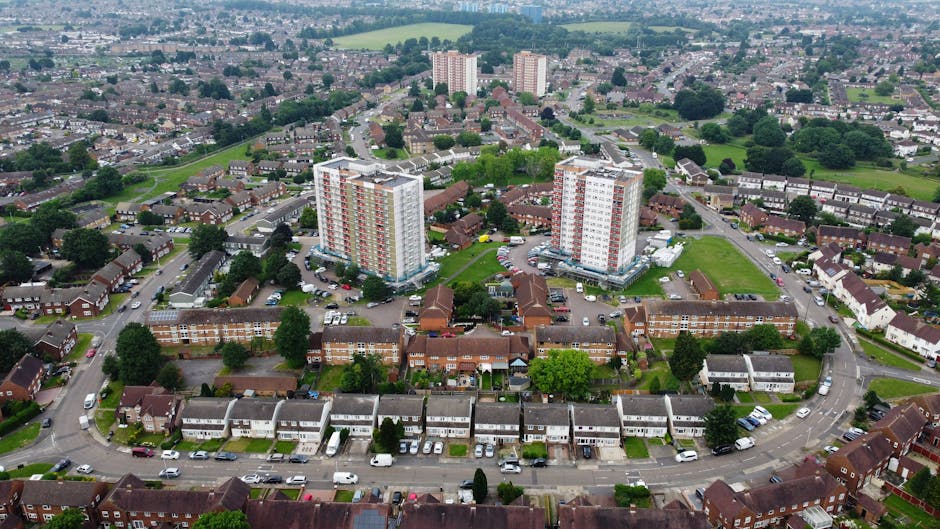
Removing rubbish from flats in Harrow sounds simple enough on paper. In reality, it can turn into a bit of a puzzle: tight stairwells, awkward parking, shared entrances, lift restrictions, no loading bay, and neighbours who are understandably less than thrilled if a corridor is blocked at the wrong moment. That is exactly why access issues for Harrow flats rubbish removal and expert fixes matter so much. The difference between a smooth collection and a stressful one is usually planning, not brute force.
This guide breaks down the access problems people run into in Harrow flats, how professional teams work around them, what to prepare before collection day, and which mistakes tend to cause delays or extra costs. If you are a landlord, tenant, block manager, or homeowner clearing a flat after a move, a refurbishment, or a simple declutter, this should help you make better decisions. And save a headache or two, truth be told.
Why Access issues for Harrow flats rubbish removal and expert fixes Matters
Access is not just a convenience issue. It shapes everything about the job: timing, manpower, safety, cost, and whether the waste can be removed in one go or needs to be split into multiple trips. In Harrow, that matters because flats can range from converted Victorian buildings with narrow stairs to larger apartment blocks with controlled entry, shared hallways, and limited parking outside. A van can be ready, a crew can be ready, and still the job stalls because the sofa will not turn the landing corner. You will notice that quickly.
When access is poor, rubbish removal becomes more than lifting bags and furniture. It can involve careful route planning, temporary parking arrangements, protecting walls and floors, coordinating with building management, and choosing the right equipment for the space. Miss those details and the whole collection can feel chaotic. A good team will spot these risks early and plan around them rather than hoping for the best.
For residents, there is also a neighbour factor. Shared stairs and communal entrances mean one clumsy move can block the hallway, damage a banister, or leave a mess in a shared area. That is never ideal, especially in a busy block where people are coming and going all day. A smart removal plan keeps the building calm and the collection efficient.
If you are also thinking about wider property matters in the borough, some readers find it useful to look at topics like Harrow property and investment planning or the broader context in local life in Harrow. Not because rubbish removal is glamorous. It really is not. But because property decisions and day-to-day upkeep tend to overlap more than people expect.
How Access issues for Harrow flats rubbish removal and expert fixes Works
The basic process is straightforward, even if the building is not. First, the crew assesses the access route. That usually means asking a few practical questions: Is there a lift? How wide are the stairs? Can a van stop close enough to the entrance? Is there a permit or management requirement for loading? Are there bulky items that need two people to carry? These questions sound simple, but they prevent most of the problems.
Next comes planning the removal itself. For a flat, access often falls into one of a few patterns:
- Ground-floor or easy courtyard access - often the smoothest, with shorter carrying distance and less risk of damage.
- Stairs-only access - common in older conversions, where furniture turns and landing space matter a lot.
- Lift access - helpful, but only if the lift is large enough and the building allows waste movement through it.
- Restricted communal access - where entry codes, concierge procedures, or timed access windows must be followed.
Then the team matches the waste to the route. Heavy white goods, office furniture, dismantled wardrobes, bags of mixed rubbish, builders' waste, and loft clearance items all behave differently. A pile of neatly tied bin bags is one thing; a mattress, broken desk, and old chest of drawers is another. If needed, items may be dismantled on site, wrapped to protect common areas, or moved in stages.
Good access fixes are usually boring in the best way. They involve small adjustments like arriving during a quieter parking window, using a second operative for awkward lifts, or carrying items in shorter runs rather than overloading one trip. These are not dramatic solutions. They are the practical ones that keep the job moving.
If you want a broader view of what professional teams handle beyond flats, the services overview gives useful context, and the page on insurance and safety is worth reading when you are dealing with narrow access or heavier loads.
Key Benefits and Practical Advantages
Getting access right before rubbish removal starts gives you more than convenience. It reduces stress, protects the building, and usually saves time. That matters whether you are clearing one room or a whole flat. The practical upside is hard to ignore.
- Fewer delays - no last-minute guessing about whether the lift is usable or whether a van can stop outside.
- Lower risk of damage - fewer scuffed walls, chipped paint, or scratched communal flooring.
- Cleaner communication - neighbours, porters, and block managers know what is happening and when.
- Better pricing accuracy - clear access details help crews quote more honestly, rather than padding for unknowns.
- Safer lifting - awkward routes need more care, and planning helps avoid rushed carrying.
There is also a quieter benefit: confidence. When you know the route has been checked and the waste load has been thought through, collection day feels manageable. That sounds minor, but in real life, especially during a move or flat clearance, it is not minor at all.
People often focus on the actual rubbish. Fair enough. But access often decides whether a job is quick, tidy, and economical or frustrating and fiddly.
Who This Is For and When It Makes Sense
This topic matters to anyone living or working in a flat where access is not perfectly straightforward. In Harrow, that includes a lot of people.
- Tenants clearing bulky items before a move-out or end-of-tenancy inspection.
- Landlords dealing with leftover furniture, bin bag build-up, or abandoned items between lets.
- Block managers and landlords who need to keep communal areas tidy and compliant with building rules.
- Homeowners in conversions where stair access is awkward and old fixtures need careful removal.
- Buyers and sellers who have discovered that the previous owner left more than a few things behind. It happens.
- Builders and refurb teams needing fast removal of renovation waste from upper floors.
It is especially useful when you have one of these situations:
- no lift or a lift that is too small for large items
- tight staircases with awkward bends
- shared entrances or limited entry times
- restricted parking or a long carry distance
- bulky furniture that may need dismantling first
- mixed waste that includes fragile, heavy, or awkward objects
If your flat is part of a larger change, such as a purchase, move, or investment refurb, you may also find the wider context helpful. There is a practical article on Harrow's home buying process and another on builders waste disposal in Harrow that can help you think through the cleanup phase properly.
Step-by-Step Guidance
Here is the simplest way to deal with access issues without turning collection day into a faff.
- Walk the route first. Check the journey from the flat to the street. Look for sharp corners, low ceilings, narrow doors, locked gates, and anything that forces you to twist large items.
- Measure the awkward bits. Door frames, stair widths, lift dimensions, and the landing outside the flat are the usual problem spots. You do not need a full technical survey. Just enough to avoid surprises.
- Separate waste by type. Bagged waste, furniture, metals, electricals, and builders' debris each bring different handling needs. A small pile can become a delay if it is mixed and hard to move.
- Check building rules. Some blocks have loading windows, permit rules, concierge procedures, or restrictions on using the lift for waste. Better to know before the van arrives.
- Reserve a parking spot where possible. If parking is tight, see whether the vehicle can stop close enough for safe loading. Long carries eat time and energy.
- Tell the removal team about anything unusual. A locked basement bin store, an intercom issue, or a heavy wardrobe that will not fit around the stairs can all change the plan.
- Clear a path inside the flat. Move small items, shoes, children's bikes, and anything else that could trip someone up. It sounds obvious, but people forget in the rush.
- Keep fragile items separate. Glass, mirrors, and electronics deserve a little more care and should not be buried under random rubbish sacks.
- Agree the final loading point. Is waste coming straight from the flat to the van, or will the crew use a staging area? Decide early.
A small preparation session the evening before often saves twenty minutes, sometimes more. And on a rainy Harrow morning, twenty minutes feels like a gift.
Expert Tips for Better Results
In our experience, the best access fixes are usually the least dramatic. They are about making the job simpler for the people carrying the waste. That sounds almost too obvious, but many problems start when everybody assumes someone else has checked the details.
1. Treat the route like a moving day route
If a sofa or wardrobe would struggle on a normal house move, it will struggle here too. Think about turning circles, stair landings, and the angle of the carry. You may even find that a piece needs dismantling before collection. A bit of unscrewing can save a lot of wrestling.
2. Keep communal spaces clear
In flats, the corridor is not a storage area. Nor is the lobby. Keep the route free so the crew can move safely and so neighbours are not forced to step around your rubbish. It avoids awkward conversations, which nobody really wants before breakfast.
3. Use the lift wisely
If a lift can legally and safely be used, it can make a huge difference. But if it is too small or the building restricts waste in the lift, do not force the issue. That is when damage happens. The safer answer is often to carry in smaller, controlled loads.
4. Be honest about weight and quantity
What looks like "just a few bits" can become a full van load once you add under-bed storage, old kitchen items, and a broken chair that has been pushed into a corner for six months. Honest descriptions lead to better planning and fewer surprises.
5. Ask for access-aware scheduling
If your building is quieter at certain times, or if parking is much easier mid-morning, say so. Many collections run more smoothly when timed around the real building conditions rather than the ideal ones. Simple, but effective.
For related practical reading, the article on bulk rubbish pickup near Rayners Lane Station shows how location and access can shape the removal approach. Likewise, hard rubbish collection tips for Wealdstone is useful if you want more local, real-world timing advice.
Common Mistakes to Avoid
Most access problems are predictable. That is the annoying part. The good news is they are also avoidable.
- Assuming the lift is enough. A lift may be present, but it may not be large enough for furniture or acceptable for waste movement.
- Forgetting about parking. Even a perfectly planned job can stall if the van has nowhere nearby to stop.
- Underestimating bulky items. Wardrobes, mattresses, sofas, and office desks are the classic troublemakers.
- Leaving everything until the last minute. If the route is not checked early, you have less room to adapt when problems appear.
- Not telling the crew about stairs or gates. That one causes silly delays. And yes, it happens more than people think.
- Blocking communal access. It may seem convenient for a moment, but it creates risk and friction in shared buildings.
- Mixing hazardous or awkward items with normal waste. Always flag anything that needs special handling.
A smaller mistake, but still a real one, is assuming all flats work the same way. They do not. A top-floor conversion above a parade of shops is nothing like a new-build block with a concierge desk and lift access. Different buildings, different game.
Tools, Resources and Recommendations
You do not need specialist equipment to prepare well, but a few simple tools help a lot.
- Tape measure for doorways, stair widths, and tricky furniture dimensions.
- Camera phone for sending access photos before the visit.
- Marker pens or labels to separate waste types in advance.
- Strong gloves and sturdy shoes if you are helping to move lighter items before the team arrives.
- Furniture tools such as basic screwdrivers or an Allen key set for dismantling.
- Clear sacks or boxes for loose items that would otherwise spill in the hallway.
On the website side, these pages are especially handy if you are comparing options or checking how the service works:
- rubbish collection in Harrow
- waste clearance in Harrow
- furniture disposal for bulky items
- loft clearance when access is awkward
- house clearance for larger mixed jobs
- office clearance for flat-based workspaces or home offices
If you are curious about values and company practices, the pages on recycling and sustainability and about the company are helpful too. They are not magic bullets, obviously, but they do tell you a lot about how a team thinks.
Law, Compliance, Standards, or Best Practice
When rubbish removal involves flats, compliance matters because you are working in shared spaces and moving waste out of a building that may have its own rules. You do not need to become a lawyer to get this right, but you should respect a few basics.
Building rules and access permissions are often the first layer. Many flats and estates set requirements for lift use, loading times, parking, or contractor access. If your building has a managing agent or concierge, follow the process rather than improvising.
Duty of care is another sensible principle. In plain English, waste should be handled responsibly and passed to a proper operator. That is why it is wise to check how a removal team deals with sorting, transport, and disposal rather than just looking at the speed of the collection.
Health and safety is not just for large construction sites. Narrow staircases, poor lighting, slippery surfaces, and heavy lifting all create real risks in residential blocks. A careful team will plan the route, avoid blocking exits, and manage heavy items in a controlled way.
Data and privacy can matter too if the job includes office clearances, paperwork, or items with personal information. Even in a flat, old documents, letters, or digital devices should be removed thoughtfully. The site pages on privacy and cookie policy sit alongside the wider trust signals, while payment and security is worth reviewing if you want reassurance about booking and checkout.
For residents who want a clearer view of service standards, the accessibility statement is useful because access is really about inclusion too. A building or service should work for as many people as possible, not just the easiest cases.
Options, Methods, or Comparison Table
Not every flat clearance needs the same approach. The right method depends on the access route, the amount of waste, and how quickly the job needs to happen.
| Method | Best for | Pros | Watch-outs |
|---|---|---|---|
| Bag-and-carry collection | Light mixed rubbish, small clear-outs | Quick, tidy, flexible | Can be slow if the route is long or stairs are steep |
| Bulky item removal | Sofas, beds, wardrobes, white goods | Good for awkward loads and specialist handling | Needs better planning around turning space and lift size |
| Full flat clearance | End of tenancy, probate, moves, major declutter | Most efficient for larger jobs | Requires more time and clearer access control |
| Builders' waste removal | Refurbishment debris, broken fixtures, packaging | Useful when the flat is mid-project | Dust, weight, and sharp edges need extra care |
| Staged clearance | Restricted access or building rules | Works well where timing is tight | May take longer overall, but often the safest approach |
To be fair, the staged option is often the least exciting and the most sensible. Not everything has to be done in one heroic sweep. Sometimes the calm route is the best route.
Case Study or Real-World Example
Here is a typical scenario. A landlord in a Harrow flat needs a quick turnaround after tenants leave behind a mix of items: two broken bedside tables, a mattress, several black bags, and a heavy wardrobe. The flat is on the third floor of a conversion with narrow stairs and no lift. Parking is limited, and the road gets busy by late morning.
If the job is handled badly, the team arrives too late, blocks the stairwell, and discovers the wardrobe cannot turn the landing. That leads to delay, extra lifting, and a bit of tension with neighbours. Nobody wants that. The better approach is simpler:
- arrive early, before the road fills up
- park as close as legally possible
- measure the wardrobe before moving it
- dismantle the item where needed
- carry waste in smaller, safer loads
- keep the communal area clear throughout
That kind of job may not sound dramatic, but it is the difference between a clean handover and a messy one. In the real world, those little planning choices matter. A lot.
We see similar patterns in other local situations too, such as the practical guidance in Pinner loft clearance and rubbish removal for landlords and the local resident focus of the Harrow School area rubbish removal guide. Different setting, same principle: know the route before you lift the load.

Practical Checklist
Use this before the crew arrives. It keeps things tidy and saves time.
- Confirm the flat number and access instructions.
- Check whether a lift is available and usable.
- Measure doorways, stair bends, and large furniture.
- Reserve parking or note the closest legal stopping point.
- Tell the team about entry codes, concierge desks, or loading windows.
- Separate bulky items from loose rubbish.
- Remove fragile or personal items from the clearance area.
- Keep hallways and communal spaces clear.
- Flag any heavy, sharp, or awkward objects early.
- Make sure someone can answer the door or phone if needed.
Expert summary: The best access fix is usually preparation. If the route is clear, the item fits, and the building rules are understood, most flat rubbish removals become much easier. Small details, big difference.
Get a free quote today and see how much you can save.
Conclusion
Access issues in Harrow flats are common, but they are rarely impossible. Most problems come down to a handful of familiar issues: tight stairs, limited parking, lift restrictions, shared entrances, or bulky items that need a better plan. Once you know what the real bottleneck is, the fix is usually practical rather than dramatic.
The main thing is not to treat access as an afterthought. Think about the route, the building, the neighbours, and the item sizes before the van arrives. That is how collections stay safe, efficient, and far less stressful. And honestly, in a busy part of London, a bit of calm planning goes a long way.
Whether you are clearing a single flat, managing a block, or dealing with a rushed end-of-tenancy job, a careful approach will almost always pay off. Better to get it right once than wrestle a wardrobe halfway down a staircase and regret everything by ten past nine.
Sometimes the smartest fix is simply taking a moment to plan properly. Not glamorous, but it works.

 Tipper Van - Waste Clearance and Junk Disposal Prices in Harrow, HA1
 Luton Van - Waste Clearance and Junk Disposal Prices in Harrow, HA1

