

Avoid hidden rubbish removal fees in Harrow and how to spot them
Posted on 14/06/2026
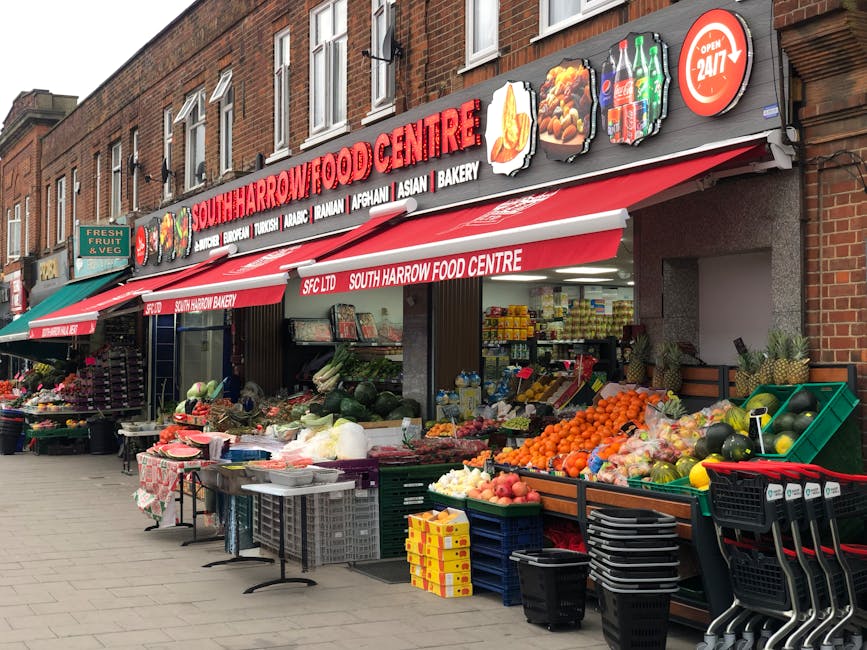
If you have ever booked rubbish collection and then watched the final bill creep up for no obvious reason, you will know how frustrating it feels. Hidden charges are not just annoying; they can turn a straightforward clearance into a messy, expensive surprise. This guide explains how to avoid hidden rubbish removal fees in Harrow and how to spot them before they land on your invoice. We will look at the warning signs, the questions to ask, the pricing traps to watch for, and the simple checks that make a big difference. Truth be told, most bad surprises can be avoided with ten minutes of careful reading and a decent quote.
Whether you are clearing a flat near Harrow-on-the-Hill, tidying a garden, emptying a loft, or dealing with builder's waste after a renovation, the same basic rule applies: know what is included, and know what is not. That sounds obvious, but people miss it all the time. Let's make it much harder for anyone to overcharge you.
Table of Contents
- Why hidden fees matter in Harrow
- How rubbish removal pricing usually works
- Key benefits of checking fees early
- Who this is for and when it makes sense
- Step-by-step guidance
- Expert tips for better results
- Common mistakes to avoid
- Tools, resources and recommendations
- Law, compliance, standards and best practice
- Options, methods, and comparison table
- Case study or real-world example
- Practical checklist
- Conclusion
- Frequently asked questions
Why hidden fees matter in Harrow
Hidden rubbish removal fees matter because they affect both your budget and your trust in the service you are paying for. A quote that looks cheap at first glance can become expensive once the provider adds charges for access, labour, disposal, congestion, loading time, bulky items, or "unexpected" waste types. If you are comparing services in a busy part of northwest London, that kind of pricing game is more common than people expect.
In Harrow, many jobs happen in places where access is not always simple: narrow streets, shared driveways, basement flats, garden access through the house, or parking restrictions that make the job slower than it first appears. A careful company will explain those realities up front. A poor one may use them as a late excuse to charge more. That is the difference, really.
It also matters because rubbish removal often happens under pressure. Maybe you have a deadline for a tenancy handover, a renovation, or a house move. When time is tight, people are more likely to accept vague language like "from GBPX" without checking the small print. That is exactly when hidden fees slip in. And once the van is outside, you do not have a lot of leverage.
For local residents, the impact can be more than financial. A surprise bill can delay a clearance, slow down a sale, or make a straightforward declutter feel oddly stressful. If your job is part of a bigger project, it can even affect other services. For example, homeowners often research practical matters alongside our Harrow home buying guidance or look at broader property planning in the area, and a messy waste bill is the last thing anyone needs in the mix.
How rubbish removal pricing usually works
Understanding the pricing model is the easiest way to spot a hidden charge. Most waste removal firms use some combination of volume, weight, labour time, waste type, and access conditions to set the final price. None of that is unusual on its own. The problem begins when only one part is mentioned in the headline price and the rest is quietly left for later.
Here is the basic logic. If a provider quotes by load size, they may charge for the amount of van space your rubbish takes. If they quote by labour, they may include collection time up to a certain limit. If they charge by item, they may have separate rates for sofas, mattresses, white goods, or heavy objects. Then there can be extra charges for stairs, long carries, parking issues, or waiting time. It is not always a scam. Sometimes it is just a poor quote. But poor quotes still cost you money.
A fair quote should tell you what the company has assumed. For example, has it assumed ground-floor access? Is parking nearby? Are there any items that need special handling? Is the waste general household rubbish, or does it include builders' waste, soil, plasterboard, or mixed materials? The more specific the information, the more reliable the price. Simple, but very often ignored.
If you are comparing clearance providers, it helps to look beyond the page title and understand the wider service structure. A company with a clear services overview and transparent pricing and quotes information is usually easier to deal with than one that hides behind broad promises.
Key benefits and practical advantages
Spotting hidden fees early does more than save money. It improves the whole experience from start to finish.
- You control the budget. No awkward end-of-job surprises.
- You compare like for like. A clear quote makes it easier to judge value.
- You avoid delays. Jobs are less likely to stall over payment disputes.
- You reduce stress. Especially useful when you are clearing a home, office, or rental property.
- You make better decisions. You can choose based on service quality, not just the headline price.
There is also a practical side people forget: clear pricing helps you decide how to split the job. Maybe you only need a single collection for the awkward bulk items, while smaller bags can go with a normal bin schedule. Maybe a loft clearance could be combined with a furniture disposal run. If you have clarity, you can plan properly.
And yes, it saves arguments. Not dramatic arguments, hopefully. Just the sort of mild, weary "hang on, where did that extra charge come from?" conversation that nobody wants on a wet Tuesday afternoon.
For some jobs, choosing the right type of service matters too. A builder's renovation mess is different from old furniture, and a garden tidy-up is different again. That is why pages such as builders waste disposal in Harrow, furniture disposal services, and garden waste removal in Harrow can be useful reference points when you are working out what kind of quote you really need.
Who this is for and when it makes sense
This advice is for anyone booking waste clearance in Harrow, but it is especially useful if you fall into one of these groups.
- Homeowners clearing clutter before a move, sale, renovation, or extension.
- Landlords dealing with end-of-tenancy rubbish or abandoned belongings.
- Tenants who need to leave a property tidy and avoid last-minute panic.
- Estate agents and property managers who need predictable costs and fast turnarounds.
- Businesses arranging office clearance, file disposal, or old furniture removal.
- Builders and tradespeople with mixed waste that can become pricey if described poorly.
It also makes sense if you are dealing with a job that seems simple but might not be. A single sofa is one thing. A sofa, a broken wardrobe, two mattresses, three bags of rubble, and a steep flight of stairs? That is where an estimate can change. If you live in a more access-challenging part of the borough, such as a tight residential road or a building with no lift, fee clarity becomes even more important.
If you want local context as well as practical planning ideas, you may also find it helpful to read about everyday life in the borough through a local view of life in Harrow or the wider picture in this Harrow suburb overview. Sometimes location helps explain why access and parking affect price. Harrow is not one neat, uniform setup. Not even close.
Step-by-step guidance
If you want to avoid hidden rubbish removal fees in Harrow and how to spot them, use this process every time.
- List exactly what needs removing. Be specific: number of bags, furniture items, appliances, garden cuttings, mixed rubble, and any awkward objects.
- Photograph the waste. Wide shots and close-ups help the provider judge volume and access. A few pictures now can save a lot of back-and-forth later.
- Describe access honestly. Mention stairs, basements, parking distance, narrow doors, locked gates, or any need for extra carrying time.
- Ask what the quote includes. Labour, disposal, loading, VAT if applicable, congestion or parking costs, and any minimum charge should all be clear.
- Ask what could change the price. If the quote is based on estimated load size, ask what would make it higher on the day.
- Check how the company handles extra items. What happens if you add a mattress, a fridge, or more bags at the last minute?
- Get the quote in writing. A written breakdown is far better than a vague phone promise. Always.
- Read the terms before booking. If terms and conditions mention waiting charges, call-out fees, or minimum loads, you need to know now, not after the van arrives.
- Confirm payment terms. Make sure you understand when payment is taken and what methods are accepted.
- Keep your own notes. Save the quote, screenshots, photos, and any messages in one place. Boring, yes. Useful, absolutely.
A real-world example: imagine you need a loft cleared in a terraced house in Harrow. The first quote seems fine. Then you mention there is no lift, the loft hatch is small, and parking is around the corner. Suddenly the price changes. That might be justified, or it might not. The key is that you should know before collection day. If a company cannot explain the change clearly, that is a sign to slow down.
Expert tips for better results
Here are the checks that experienced customers tend to do instinctively after a while. The first time, maybe not so much.
- Ask for a load description, not just a total price. "Up to one quarter load" means very little unless you know the vehicle size and what that looks like.
- Watch for vague phrases. Words like "subject to inspection" or "extra charges may apply" are not always bad, but they need explaining.
- Separate labour from disposal. A low labour fee can be offset by a higher disposal fee. Total cost is what matters.
- Be careful with special waste. Mattresses, fridges, paint tins, plasterboard, and soil can trigger different handling costs.
- Check whether access affects the price. Long carries and awkward parking are genuine cost factors, but they should be disclosed.
- Compare more than one quote. Not just for price, but for clarity. The clearest quote is often the safest one.
One small but useful habit: read a quote aloud to yourself and ask, "What is missing here?" If you cannot tell whether collection, labour, and disposal are fully included, you probably need another question answered. That little pause can save you a lot. People often rush this bit because they just want the rubbish gone. Fair enough. Still, two minutes now is better than a surprise later.
If you are arranging waste clearance around a bigger property project, it can help to think ahead. A property investor, for example, may already be reading Harrow property investment guidance, while a landlord preparing for a changeover might find the Pinner landlord loft clearance guide relevant to the kind of hidden-access costs that can come up.

Common mistakes to avoid
Most hidden fee problems come from the same few mistakes. Here is what to avoid.
- Booking on headline price alone. The cheapest advert is not always the cheapest job.
- Not describing access properly. A quote based on easy access can change when the team arrives at a flight of stairs and a narrow hallway.
- Assuming all waste is priced the same. Mixed rubbish, bulky furniture, green waste, and construction debris often cost differently.
- Ignoring minimum charges. Small jobs can feel expensive because a provider may have a minimum collection fee.
- Forgetting about parking or congestion. In London, logistics matter. A lot.
- Not checking whether VAT is included. A quote can look lower before tax is added.
- Failing to ask about timing. Same-day, weekend, or late-evening collections may cost more.
Another common one: people assume the company will "sort it out" on the day. Sometimes that works. Sometimes it becomes a conversation about the van being fuller than expected, or the waste being heavier than described. Neither side enjoys that moment. Be accurate at the start, and you avoid most of it.
If your job is tied to office move-out or business clearance, the same principles apply. A good reference point is office clearance in Harrow, especially if you need to judge labour time, access, and the handling of bulky items like desks or shelving.
Tools, resources and recommendations
You do not need complicated tools to protect yourself from hidden charges. A few simple ones will do the job.
- Phone photos. Take enough to show volume, item type, and access routes.
- A written item list. Old sofa, chest of drawers, six black bags, two broken chairs. Plain English works best.
- Measuring tape. Handy if you are unsure whether an item is oversized or awkward.
- Notes app or screenshot folder. Keep quote details together so nothing gets lost in your inbox.
- Terms and pricing pages. A transparent company should explain what its prices cover and how payment works, such as on payment and security information.
It is also worth checking whether the provider explains how waste is handled after collection. Clear information about sorting, recycling, and reuse is a good sign that the business is organised rather than improvising. You can see that kind of approach reflected in pages about recycling and sustainability and in company background such as about the team.
For readers with practical local needs, it can help to match the service to the job. A garden tidy-up may call for garden waste removal, while a household clear-out might fit house clearance better. Matching the service properly often reduces add-on charges. Weirdly enough, the right label can save money.
Law, compliance, standards, and best practice
When waste is being removed professionally, you want a company that follows sensible UK waste-handling practice. That usually means clear pricing, lawful disposal, appropriate insurance, and a professional approach to safety and customer communication. You do not need to become a compliance expert, but you should expect the basics.
For your own protection, ask whether the provider is insured and whether the team follows safe loading and handling practices. That matters if items are heavy, sharp, dusty, awkward, or potentially hazardous. A good provider should be able to explain its approach in normal language. No jargon needed. If the wording is too slippery, that is not a great sign.
Keep an eye out for clear written terms as well. Terms and conditions should explain cancellations, changes, and any special charges. A privacy policy and cookie policy may not affect the price directly, but they do show whether the business handles information in a proper, organised way. In the same way, a modern slavery statement can be a useful indicator that a business pays attention to supply chain responsibilities, even if that is not the first thing you are thinking about when you need a sofa removed by Friday.
Best practice is simple: the company should tell you what you are paying for, the customer should describe the job accurately, and any extras should be discussed before work begins. That is how it should be. Anything less leaves room for friction.
If safety is part of your decision, you may also want to review the company's general approach through insurance and safety information. That is especially relevant for loft clearances, heavy lifting, or jobs involving awkward access.
Options, methods, and comparison table
Different rubbish removal approaches can look similar on the surface, but the fee risk is not the same. Here is a simple comparison.
| Option | Best for | Common fee risks | How to protect yourself |
|---|---|---|---|
| Item-based collection | Single bulky items or a small list | Extra items added on the day | Confirm item count and sizes in writing |
| Load-based clearance | Mixed household or office rubbish | Volume reassessment, minimum loads | Share photos and ask how the load is measured |
| Labour-based clearance | Jobs with complex access | Stairs, long carries, waiting time | Describe access properly and ask about time limits |
| Specialist waste removal | Builders' waste, garden waste, loft contents | Different disposal rules and handling fees | Use the correct service type from the start |
As a rule, a more specific quote is safer than a vague one. If the business asks good questions, that is usually a positive sign. It means they are pricing the job properly rather than guessing and hoping for the best. Nobody wants that kind of guessing. Not really.
Case study or real-world example
Consider a typical Harrow flat clearance. The customer says they need "a few bits removed." On arrival, it turns out "a few bits" means a three-seat sofa, a wardrobe, a desk, twelve bags of mixed rubbish, and an awkward collection route through the back of the building. The first quote was based on a quick conversation only. No photos. No details about stairs. No mention of parking.
What happened next is predictable. The provider revised the price to cover the extra time and access. The customer felt the quote had been misleading. The provider felt the customer had under-described the job. Both sides were probably a bit fed up, to be fair.
Now compare that with the better version. The customer sends photos, explains the stairway, confirms the items, and asks whether the price includes labour, disposal, and access difficulty. The provider gives a clearer quote. The job gets done, payment is straightforward, and nobody has to have the "we need to talk about the invoice" conversation at the end. Small change, big difference.
That is really the lesson here. Hidden fees usually grow in the gap between assumption and reality. Close the gap, and you protect yourself.
Practical checklist
Use this before you book any rubbish removal job in Harrow.
- Have I listed every item, bag, or load type?
- Have I sent photos of the waste and access route?
- Do I know whether the quote includes labour, disposal, and loading?
- Have I asked about stairs, parking, and long carries?
- Do I know whether VAT is included?
- Have I checked for minimum charges or call-out fees?
- Do I understand whether the price changes if I add items on the day?
- Have I read the terms and conditions carefully?
- Do I know what payment methods are accepted and when payment is taken?
- Have I compared at least one other quote for clarity, not just price?
Quick takeaway: if a quote feels too loose, it usually is. A good provider should be able to explain the price in plain English without making you feel silly for asking. That matters more than people think.
Get a free quote today and see how much you can save.
Conclusion
Avoiding hidden rubbish removal fees in Harrow and how to spot them comes down to one thing: clarity before collection day. If you know what is being removed, how access works, what the quote includes, and what might trigger an extra charge, you are already ahead of most people. That is not a boast. It is just how the process works in real life.
The best quotes are the ones that feel slightly boring because everything is spelled out. No drama, no mystery, no strange little surprises after the van leaves. Whether you are clearing a home, an office, a loft, a garden, or a builder's pile of waste, careful questions now will save time, money, and stress later. And honestly, that is a pretty good trade.
Take your time, ask the awkward question, and trust the quote that answers clearly.


 Tipper Van - Waste Clearance and Junk Disposal Prices in Harrow, HA1
 Luton Van - Waste Clearance and Junk Disposal Prices in Harrow, HA1

