

Bulk rubbish pickup near Rayners Lane station
Posted on 06/06/2026
Bulk rubbish pickup near Rayners Lane station: a practical local guide
If you are staring at an old sofa, a broken wardrobe, or a pile of DIY waste and thinking, "Right, how do I get this gone without making a day of it?", you are in the right place. Bulk rubbish pickup near Rayners Lane station is exactly the kind of service people look for when large items are too awkward for the bin and too urgent to leave hanging around. In a busy part of Harrow, where flats, terraces, shared driveways, and tight access are all part of everyday life, the difference between a smooth collection and a stressful one often comes down to planning.
This guide breaks down how bulk rubbish collection works, what to expect, what to avoid, and how to choose the right approach for your home, office, landlord property, or renovation project. It is written for real people dealing with real mess. No fluff. Just the useful bits.
Quick practical summary: if your bulky waste is taking up space, causing a safety issue, or simply getting in the way, a well-organised pickup can save time, reduce hassle, and help you dispose of items responsibly rather than leaving them to pile up. That sounds obvious, but in practice it makes a big difference.
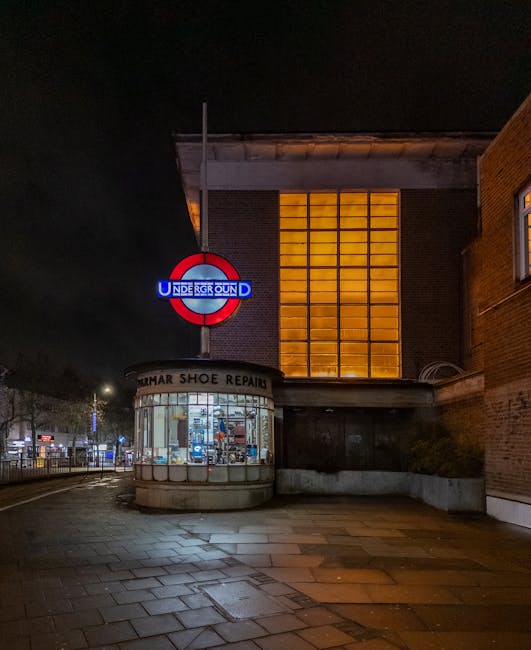
Why Bulk rubbish pickup near Rayners Lane station Matters
Rayners Lane is a place where convenience matters. People commute, shop, manage family routines, and juggle storage in homes that are often not built for keeping large unwanted items forever. A mattress leaning against a wall, old office furniture in a back room, or builder's debris in a hallway can quickly become more than an inconvenience. It can block movement, create trip hazards, and make a property feel far less usable.
Bulk rubbish pickup matters because bulky waste is different from ordinary everyday bin waste. It is heavy, awkward, and often needs more than a quick lift. Think of old armchairs, broken shelving, white goods, garden cuttings in large bags, excess packaging from a delivery, or mixed waste from a flat clear-out. You may be able to move it yourself, but not everyone wants to, and to be fair, some items really are best left to people who do this all the time.
In local terms, access is a big part of the story. Near stations and busier roads, parking and loading can be tricky. A sensible collection service should work around that without turning your street into a spectacle. If you want a broader view of the area and how local life works around the station corridor, you may also find this local Harrow guide useful.
There is another reason this matters: waste that is dumped carelessly can attract fines, complaints, and neighbour disputes. People often underestimate how quickly a few bags and a sofa can become "someone should deal with that" territory. Better to deal with it properly the first time.
How Bulk rubbish pickup near Rayners Lane station Works
At its simplest, bulk rubbish pickup is a collection service for items too large, too awkward, or too numerous for normal household disposal. The process usually starts with a description of what needs removing, followed by an estimate or quote based on volume, weight, access, and the type of waste involved. In some cases, photos help. That is often the quickest way to avoid misunderstandings.
For local pickups, the collection team will normally consider:
- the type of waste: furniture, general rubbish, garden waste, builder's debris, office items, or mixed loads
- how much space the waste takes up
- how easy it is to reach the items
- whether the load needs sorting before removal
- any special handling needed for awkward or heavy pieces
Once the job is agreed, the collection is scheduled. On the day, the team usually arrives, confirms the load, removes the items, and clears up the area. The smoothest jobs are the ones where the access route is clear, the items are grouped together, and the customer has already decided what is staying and what is going. Sounds simple. It usually is, when the prep is done.
If you are comparing services across different household and commercial needs, it helps to see the wider offer as well. A good starting point is the services overview, which shows how bulk rubbish sits alongside other clearance and collection options.
One thing people sometimes miss: bulky waste can include mixed material. For example, a wardrobe may contain wood, mirrors, metal fixtures, and packaging. A proper collector should be able to separate and handle the load sensibly, with recycling in mind where possible. That is better for the environment and, in many cases, better for overall handling too.
Key Benefits and Practical Advantages
There is a reason people search for a local bulky waste pickup rather than trying to sort everything themselves. The benefits are not just about convenience, although that is a big part of it.
- Less physical strain: heavy lifting is risky, especially with old sofas, mattresses, desks, and appliances.
- Faster turnaround: you can clear space in hours rather than letting waste sit for weeks.
- Better use of space: landlords, homeowners, and tenants all benefit when hallways, gardens, and spare rooms are usable again.
- Cleaner presentation: useful if you are preparing a property for sale, letting, or inspection.
- Responsible disposal: a professional service should aim to divert recyclable material away from landfill where feasible.
- Less stress: no hiring a van, no multiple trips, no wrestling with awkward items on your own.
There is also a quieter benefit that people notice after the fact: peace of mind. Once the clutter is gone, the home feels different. Lighter, somehow. Less like a storage unit with windows.
For clients thinking about sustainability, it is worth choosing a provider that explains how waste is sorted and processed. You can read more about general approach and expectations in recycling and sustainability. That may sound like a side note, but it often shapes the quality of the service.
Who This Is For and When It Makes Sense
Bulk rubbish pickup near Rayners Lane station is useful for a wide range of people. The exact reason changes, but the underlying need is usually the same: too much waste, not enough time, or awkward items that cannot be handled through regular bins.
Homeowners
If you are replacing furniture, clearing a spare room, or dealing with years of accumulated items in a loft or shed, bulk pickup is often the quickest route. It is especially useful when the items are too heavy for a small car and too numerous for a council bin day.
Tenants and landlords
End-of-tenancy clearances often involve left-behind furniture, broken appliances, and miscellaneous rubbish. Landlords also use bulky waste services between lets, when they need the property reset quickly. If a property near the station is being prepared for viewings or occupancy, timing matters quite a lot.
For a broader local property perspective, the property investment guide for Harrow gives useful context on why presentation and turnaround can matter so much.
Businesses and offices
Offices and small businesses may need to remove desks, chairs, filing units, stock, packaging, or IT furniture. If you are clearing a workspace, you may want to review office clearance support as well, especially where multiple items are involved.
Tradespeople and renovators
DIY projects generate waste faster than most people expect. Old plasterboard, broken tiles, timber offcuts, packaging, and ripped-out fixtures all add up. For that kind of load, you may want to look at builders waste disposal in Harrow because not every bulky item is treated the same way.
Anyone dealing with a one-off mess
Maybe the garage is finally being sorted. Maybe a relative has moved into smaller accommodation. Maybe the garden has become a bit wild after a wet season. We have all had that one corner of the house that grows teeth, so to speak. Bulk pickup makes sense whenever the job has crossed the line from "manageable" to "why is this still here?".
Step-by-Step Guidance
If you want the job to go smoothly, a little organisation helps. Nothing fancy. Just practical steps that save time and confusion.
- Make a clear list of what needs removing. Include large furniture, mixed rubbish, appliances, garden waste, and anything fragile or awkward.
- Separate items you want to keep. This sounds obvious, but in the rush of a clear-out, people sometimes leave valuables near the pile. Not ideal.
- Take a few photos. Photos help the provider understand volume and access, especially if the waste is inside a property or behind a tight stairwell.
- Check access. Think about stairs, narrow doors, parking restrictions, loading space, and whether there are any timing issues near the station area.
- Ask what happens to different waste types. Mixed loads, furniture, garden waste, and builder's debris may be handled differently.
- Confirm the booking details. Make sure the date, collection window, items, and any special instructions are clear.
- Prepare the items for pickup. Put everything in one easy-to-reach place if possible. If it is safe, dismantling larger items can help.
- Keep communication simple on the day. If access changes, tell the team early. A small delay is easier to solve than a blocked driveway and a frustrated neighbour.
In our experience, the biggest time-saver is often just deciding what is going before the collector arrives. Sorting the pile while someone is waiting outside tends to slow everything down. Funny how that works.
Expert Tips for Better Results
A few small decisions can make a bulky waste pickup much easier, particularly in a busy local area where access may be limited and parking can be unpredictable.
Group similar items together
Furniture with furniture. Garden waste with garden waste. Builder's waste with builder's waste. Mixed loads are common, but organised piles are quicker to assess and usually easier to load.
Leave a clear route
Hallways, porches, side passages, and stairwells should be kept clear. Even a narrow path makes a big difference. If you have ever tried to carry a mattress through a doorway while someone is saying "careful of the lamp", you will know what I mean.
Be honest about the load
If the pile is larger than you first thought, say so early. It is better to adjust the booking than to be surprised on collection day. Honest descriptions save everyone time.
Think about recycling from the start
If some items can be reused, donated, or separated for recycling, ask how that will be handled. Responsible disposal is not just a marketing line; it affects what happens after the van leaves.
Watch for hidden hazards
Old furniture can have sharp edges. Broken glass, nails, mould, or damp materials can all change the job. If something looks unsafe, mention it. A calm, tidy note is better than an awkward surprise.
Use local knowledge
Station-area pickups often need good timing, especially where traffic, loading, and pedestrians all compete for the same space. If you are dealing with a similar local access issue, you may also find the guide to hard rubbish collection times and tips helpful. It is the sort of thing people wish they had read earlier.
Common Mistakes to Avoid
Most problems with bulk rubbish removal are not dramatic. They are small avoidable things that stack up.
- Leaving the sort-out until the last minute: the pile looks smaller in your head than it does in the room.
- Not checking access: tight staircases, locked gates, and parking restrictions can slow everything down.
- Mixing restricted or awkward waste without warning: some items need special handling.
- Assuming every service handles the same materials: they do not.
- Forgetting about nearby neighbours: noise, timing, and loading space can matter more than you think in a shared building.
- Choosing purely on speed without checking standards: the cheapest or fastest option is not always the best one.
One subtle mistake people make is underestimating how much waste there really is. A single sofa looks manageable. Add a coffee table, two wardrobes, a broken freezer, and six sacks of mixed bits and pieces... suddenly not so tiny. Happens all the time.
Tools, Resources and Recommendations
You do not need a toolkit fit for a trades van to prepare for bulk pickup, but a few simple things help a lot.
- Strong gloves: useful for sorting sharp or dusty items.
- Basic hand trolley or sack truck: helpful if you are moving boxes or heavier smaller items inside the property.
- Heavy-duty bin bags: good for loose rubbish, soft furnishings, or mixed small waste.
- Labels or tape: handy if multiple people are sorting items and need to mark what stays.
- Phone camera: a quick photo set is often the easiest way to explain a load.
For people planning a broader clear-out, these pages may also be useful depending on the type of waste:
- furniture disposal help for bulky household items
- house clearance services for more comprehensive property clear-outs
- garden waste removal for outdoor cuttings and green waste
- loft clearance support if the waste is tucked away in storage spaces
- general rubbish collection in Harrow for mixed everyday waste
If you want to understand the company's wider approach before booking, it is worth reading about the team and the practical details on pricing and quotes. Those pages help set expectations early, which is always a good sign.
Law, Compliance, Standards, or Best Practice
Waste removal in the UK should be handled carefully and responsibly. You do not need to be an expert in waste classification to book a pickup, but it helps to know the basic expectations. A reputable service should act in line with accepted waste-handling practice, keep an eye on safe lifting, and deal with waste in a way that avoids fly-tipping or careless disposal.
From a customer perspective, the big points are simple:
- use a provider that explains how waste is handled
- do not leave rubbish on pavements, in communal areas, or anywhere it might become a nuisance
- be clear about any hazardous, sharp, damp, or contaminated items
- ask for a proper price explanation if the load is unusual
- keep records of what was removed if you are a landlord, manager, or business owner
Safety also matters. Heavy lifting, awkward angles, and narrow hallways can all create injury risks. Good practice is not complicated, but it does require care. If you want to review the company's position on operational safety and customer confidence, insurance and safety information is a sensible place to look.
For businesses or organisations with policies around ethical supply chains and transparency, there are also internal trust pages such as the modern slavery statement, terms and conditions, privacy policy, and cookie policy. They may not be the exciting part of the job, but they do speak to professionalism.
Options, Methods, or Comparison Table
There are usually a few ways to deal with bulk waste. The best choice depends on urgency, item size, access, and how much sorting you want to do yourself.
| Method | Best for | Pros | Trade-offs |
|---|---|---|---|
| Professional bulk rubbish pickup | Homes, flats, offices, and mixed loads | Fast, convenient, less lifting, responsible disposal | May cost more than self-handling |
| Self-loading and transport | Very small loads and easy access | Full control, potentially cheaper if you already have transport | Time-consuming, physically demanding, not ideal for heavy items |
| Specialised clearance service | Large clear-outs or property-wide jobs | Good for complex, multi-room, or mixed waste | Needs more planning and clearer scope |
| Separated item-by-item removal | Situations where only one or two items need shifting | Simple for minor jobs | Can become inefficient for bigger piles |
For many people near Rayners Lane station, the first option is the sweet spot. It gives the right balance of speed and practicality without turning your week upside down.
That said, if your job is really a full property emptying, a wider clearance approach may be more suitable than a simple pickup. The difference matters, and it is worth being honest about it from the start.
Case Study or Real-World Example
Consider a typical flat clear-out near the station. A couple have finished renovating a small two-bedroom property. They have an old sofa, a broken bed base, a wardrobe, assorted packaging, and a few bags of mixed waste from decorating. It is not a huge amount, but it is too much to fit into ordinary bins and far too awkward to keep pushing from room to room.
What made the collection work well was not magic. It was preparation. They took photos, grouped the items in the living room, checked the stairwell was clear, and flagged that the wardrobe needed dismantling. The team could assess the load quickly, remove it in one visit, and leave the rooms usable again that same day.
That sort of result is common when the job is planned properly. Not every collection is neat and tidy, of course. Sometimes the pile is in the garden after a wet spell, sometimes it is in a cramped hallway, and sometimes there is one last item that nobody wants to admit is actually a giant problem. Still, the principle stays the same: clear information leads to a cleaner outcome.
For property owners and landlords, that can be the difference between a smooth handover and a delay. And delays, frankly, are annoying.
Practical Checklist
Use this quick checklist before your collection day.
- List every item that needs removing
- Separate keep, donate, recycle, and dispose piles
- Take clear photos of the waste
- Check access routes, staircases, and parking
- Confirm whether items are furniture, garden waste, builder's debris, or mixed rubbish
- Remove small valuables and personal items from the area
- Make sure the collection point is easy to reach
- Ask about timing if access is likely to be tight near the station
- Review pricing and service details before booking
- Keep contact details handy on the day
Good to know: if the waste comes from a loft, office, or a post-renovation clear-out, you may need a more specialised service than a basic one-off pickup. It is better to ask than assume.
Conclusion
Bulk rubbish pickup near Rayners Lane station is a practical solution for people who want large, awkward, or mixed waste removed without dragging the whole job out for days. Whether you are clearing a flat, tidying a garden, resetting an office, or dealing with post-build debris, the right approach saves time and takes a lot of pressure off your shoulders.
The main things to remember are simple: describe the load clearly, prepare access, choose a service that handles waste responsibly, and do not wait until clutter becomes a safety issue. A well-run pickup should feel calm, efficient, and straightforward. Not flashy. Just effective.
If you are weighing up your options, take a moment to review the service details, the safety information, and the recycling approach so you know exactly what to expect. A little care at the start usually means a much easier day later.
Get a free quote today and see how much you can save.
Sometimes the best home improvement is simply getting the old stuff out of the way.


 Tipper Van - Waste Clearance and Junk Disposal Prices in Harrow, HA1
 Luton Van - Waste Clearance and Junk Disposal Prices in Harrow, HA1

