

Harrow School area rubbish removal guide for residents
Posted on 26/05/2026
If you live near Harrow School, rubbish has a habit of building up at the worst possible time. A loft sort-out spills into the hallway. A garden trim becomes a small mountain of green waste. A house move leaves you with broken furniture, old boxes, and that one awkward item nobody wants to carry down the stairs. This Harrow School area rubbish removal guide for residents is here to make the whole thing feel much less complicated.
Whether you are clearing a flat near the school, refreshing a family home, or dealing with post-renovation mess, the aim is the same: remove waste quickly, legally, and without turning your week upside down. Below, you will find a clear guide to what rubbish removal involves, how it works locally, what to watch out for, and how to choose the right approach for your situation. Simple enough. Or at least simpler than dragging a wardrobe to the curb at 7am on a wet Tuesday.

Why Harrow School area rubbish removal matters
The Harrow School area has a very particular feel: residential streets, busy family routines, older homes with tight access, and a mix of long-term residents, landlords, and new movers. That combination makes waste removal more than a simple chore. It becomes a question of timing, access, safety, and courtesy to neighbours.
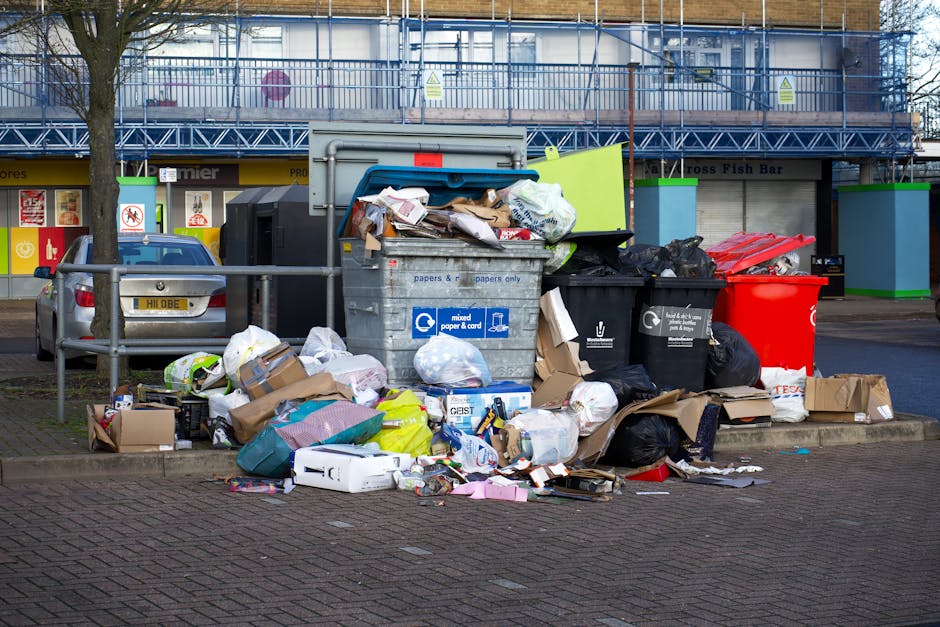
In places like this, rubbish left out too long can quickly become a nuisance. Bags split. Rain gets in. Seagulls or foxes get involved. A pile that looked manageable on Friday can feel twice as big by Monday morning. To be fair, that is usually when people realise they need a proper plan rather than a few extra bin liners.
There is also the practical side. Many homes around Harrow School have limited parking, narrow front paths, shared entrances, or stair access that makes lifting bulky waste awkward. If you are dealing with heavy furniture, builders' debris, or mixed household junk, having a straightforward removal plan saves time and lowers the risk of injury or damage.
For residents, local rubbish removal matters because it helps keep homes usable, prevents clutter from becoming stressful, and supports a cleaner street environment. It also matters if you are preparing a property for sale, letting, renovation, or a family clear-out. You can read more about the wider local area and its character in this local view of life in Harrow and this guide to Harrow as a suburban area.
How Harrow School area rubbish removal works
Most rubbish removal in the Harrow School area follows a fairly simple pattern: you identify the waste, decide what needs lifting, book a collection or clearance service, and have the items removed from the property. The detail matters, though, because not all waste is the same and not every property is equally easy to access.
For example, a small pile of garden waste may be collected very differently from a mixed load of old wardrobes, broken shelves, and renovation rubble. One job might take a single visit and a quick sweep-up. Another might need careful sorting, safe lifting, and separate handling for recyclable materials.
In practical terms, the process often looks like this:
- You list the items or waste types you need removed.
- You check for anything special, such as electricals, sharp materials, or heavy builder's waste.
- You request a quote or collection window.
- The waste is removed from the agreed location, often from inside the property, a garden, garage, loft, or driveway.
- Usable and recyclable items are separated where possible, and the waste is taken for appropriate disposal.
If the job is larger, or if you are clearing a whole property, a more complete service may be better. Pages like the services overview and waste clearance in Harrow are useful starting points if you want a broader sense of what can be handled. For specific jobs, you might also look at house clearance services, furniture disposal, or loft clearance.
One small but important point: the best rubbish removal is usually the one that feels invisible to everyone except you. The waste disappears, the space opens up, and life goes back to normal. Nice, calm, done.
Key benefits and practical advantages
A good rubbish removal service is not just about getting rid of clutter. It solves a handful of everyday problems that tend to pile up together. Literally, in some cases.
- Less stress: You do not need to arrange vans, lifts, disposal trips, or multiple council runs.
- Better safety: Heavy or awkward items are handled with the right equipment and technique.
- Faster turnaround: A job that might take you a whole weekend can often be cleared far more quickly.
- Cleaner presentation: Handy if you are moving, letting, renovating, or just trying to reclaim the space.
- Improved recycling outcomes: Waste can often be separated more effectively than if everything is just thrown together.
- Less neighbour friction: You avoid bags sitting out for days or obstructing shared access.
There is also a quieter benefit that people sometimes underestimate: mental space. A cluttered loft, spare room, or garage can sit in the back of your mind for months. Once it is cleared, the relief is oddly immediate. Not dramatic. Just real.
If you are thinking about property value or preparing a home for sale or letting, decluttering can also improve first impressions. That ties in neatly with local property-focused reading like Harrow property investment guidance and the Harrow home buying process. Waste removal is rarely the star of the show, but it often helps the whole property feel more manageable.
Who this is for and when it makes sense
This guide is useful for anyone in or around the Harrow School area who has more waste than the normal weekly bin collection can sensibly handle. That includes homeowners, tenants, landlords, letting agents, tradespeople, and families helping older relatives clear space.
It makes sense to arrange rubbish removal when:
- you have bulky items that will not fit in standard bins;
- your waste has built up faster than you expected;
- you are renovating, decorating, or replacing fixtures;
- you are clearing a loft, shed, garage, or spare room;
- you need to remove garden waste after pruning or landscaping;
- you are moving out and want the property left tidy;
- you have inherited a property or are dealing with a long-term clutter issue;
- you want to avoid hiring a skip when access or volume does not justify it.
For more specific scenarios, a tailored service may suit better. For example, garden waste is usually best handled through garden waste removal in Harrow, while a renovation clean-up may call for builders waste disposal. And if the job is mostly old sofas, tables, or wardrobes, furniture disposal is usually the cleaner fit.
Rhetorical question time: do you really want to spend an entire Sunday figuring out what can go in the car, what needs a trip to the tip, and what might break your back on the stairs? Most people, once they've paused for a second, answer that one for themselves.
Step-by-step guidance
If you want the process to go smoothly, it helps to treat it like a mini project rather than a last-minute panic. A little planning goes a long way.
1. Sort the waste by type
Start by separating general household rubbish, furniture, garden waste, electrical items, and heavier materials. You do not need to create a perfect recycling station in the hallway. Just group similar items together so nothing gets overlooked.
2. Identify anything awkward or restricted
Some items need extra care, such as fridges, freezers, mattresses, paints, batteries, sharp metal, or mixed construction waste. If you are not sure whether something is accepted, ask before booking. It prevents awkward surprises on collection day.
3. Check access before the crew arrives
Think about front gates, stairwells, parking, and whether items are in a loft or garden. A two-minute walk-through now can save a lot of hassle later. If the waste is upstairs or tucked behind stacked furniture, mention that up front.
4. Ask for a clear quote
Good pricing should reflect the volume, labour, access, and any special disposal requirements. If you want to understand how quotations are usually handled, see pricing and quotes. A fair quote is usually transparent about what is included and what may change if the load differs from what was described.
5. Confirm the collection window
In a busy residential area, timing matters. You may prefer early morning to avoid obstructing neighbours, or a later slot if you are dealing with school-run traffic and work schedules. A little timing coordination can make the whole thing feel much calmer.
6. Keep pathways clear
Move smaller obstacles out of the way before collection. Shoes, plant pots, children's toys, hallway clutter - all of it can become a tripping hazard when people are carrying heavy items. A clear route is the difference between a tidy job and a clumsy one.
7. Do a final sweep-through
Once the waste is gone, take one slow look around. Cupboards, behind doors, loft corners, under stairs. People often find a forgotten lamp, a loose shelf bracket, or a bag of things they meant to donate. Happens all the time.
Expert tips for better results
Here are the practical habits that make rubbish removal easier, cheaper in the long run, and less stressful on the day.
- Be specific with item lists. "A few bits of rubbish" is too vague if you want an accurate quote.
- Separate reusable items early. If something can be donated or sold, take it out of the waste pile before collection.
- Photograph bulky loads. A few clear pictures help avoid misunderstandings.
- Prepare for mixed access. If some items are in the garden and others in the loft, mention both.
- Schedule around neighbours where possible. Shared driveways and tight roads can get awkward at school pick-up times.
- Be realistic about volume. What looks like "just a few items" in a garage can become a full van load very quickly.
One thing we often see is people underestimating how long sorting takes. The lifting is only part of it. The decision-making is the real time drain. Keep that in mind and you will plan much better.
For residents who care about what happens after collection, take a look at recycling and sustainability. It is a useful reminder that removal and disposal are not quite the same thing, and they should not be treated that way.
Common mistakes to avoid
Most rubbish removal problems are preventable. Usually, they come from rushing the prep or assuming every item can be treated the same way.
- Mixing everything together blindly. That can slow down collection and make recycling harder.
- Forgetting access issues. Narrow stairs, locked gates, and awkward parking are all worth mentioning.
- Leaving sharp or heavy items unprotected. Broken wood, metal offcuts, and glass can injure people if not handled carefully.
- Assuming council bins can handle bulky waste. Often they cannot, or not in a practical way.
- Waiting until the pile becomes unmanageable. It is always easier at the half-full stage than at the full-on chaos stage.
- Choosing on price alone. The cheapest option is not always the best fit if service quality, safety, and transparency are weak.
There is a small but important trust issue here too. If someone cannot clearly explain what they take, how they price it, or how they handle waste, that is usually a sign to slow down and ask more questions. No need to be dramatic, just cautious. Sensible caution.
Tools, resources and recommendations
You do not need specialist gear for every household clear-out, but a few basic tools make preparation easier.
- Heavy-duty gloves: useful for sorting old junk, broken items, and garden waste.
- Strong bags or boxes: keep smaller items organised and easier to lift.
- Tape and labels: handy if you want to mark what is staying, going, or being recycled.
- Phone camera: great for taking load photos before booking.
- Trolley or sack truck: useful if you are moving multiple heavy items yourself.
- Dust sheets or old blankets: helps protect floors and door frames during moving.
If you want a broader look at the company's wider services and support pages, about the team, insurance and safety, and payment and security are sensible reads. They help build a clearer picture of what to expect before you book.
Sometimes the simplest recommendation is the best one: get the clutter into one place, take a breath, and deal with it in categories. It is amazing how much easier that makes things by about 10:15 in the morning.
Law, compliance, standards, and best practice
For waste removal in the UK, the safest approach is to assume that rubbish must be handled by someone who can transport and dispose of it properly, with care taken over sorting and disposal routes. Residents do not need to become waste-law experts, but they should use services that operate responsibly and can explain their process in plain English.
Best practice usually includes the following:
- clear identification of the waste being removed;
- careful handling of items that may be sharp, heavy, fragile, or hazardous;
- separation of recyclable materials where possible;
- respect for shared access, neighbours, and public walkways;
- transparent pricing and clear service terms;
- appropriate insurance and safe working methods.
If your waste includes items that may need specialist treatment - for example fridges, certain electricals, chemicals, or building materials - ask about that before booking. It is better to pause and clarify than to guess. Guessing, in waste removal, has a way of becoming expensive or inconvenient later.
For residents who like to check the fine print, the supporting pages on terms and conditions and privacy policy are worth reading too. They help set expectations around how a service is run and what information is collected.
Options, methods, and comparison table
There is no single correct way to remove rubbish in the Harrow School area. The right option depends on volume, access, urgency, and what kind of waste you have. Here is a practical comparison.
| Method | Best for | Pros | Limitations |
|---|---|---|---|
| Self-haul to a disposal site | Small loads and flexible schedules | Can be cost-effective if you have a vehicle and time | Physical effort, parking, sorting, and repeated trips |
| Booked rubbish collection | General household waste and medium loads | Convenient, quicker, less lifting for you | May not suit highly mixed or specialist waste |
| Full waste clearance | Lofts, garages, whole rooms, and larger clear-outs | Handles more waste in one visit and can cover labour | Usually better value when volume is substantial |
| Specialist service | Builders waste, furniture, garden waste, or house clearance | More tailored handling and better efficiency | Needs the right service match from the start |
For example, a tenant moving out of a flat with a sofa, mattress, and broken shelving might need a furniture-focused collection. A family clearing a long-neglected loft could need something more like loft clearance. And if the work follows a home upgrade, builders waste disposal will usually be the best fit. Matching the method to the waste saves money and frustration.
Case study or real-world example
Here is a realistic example from the sort of situation local residents often face.
A family near the Harrow School area decides to clear out a spare room that has quietly become storage for everything: old toys, a broken chest of drawers, two bags of clothes, a small desk, and a stack of cardboard from recent deliveries. Nothing dramatic. Just life happening in a corner of the house.
At first, they plan to do it themselves over a weekend. Then they realise the desk does not fit in the car, the drawers are heavier than expected, and the hallway is narrow enough to make the whole thing awkward. So they pause, sort the items into keep, donate, and remove, and book a collection instead.
The job becomes much easier because the waste is already grouped. The team can lift items straight from the room, the route is clear, and the family is not scrambling for bin bags halfway through. The spare room is usable again by that evening. No big drama, just a lot less stress.
This is the sort of result many residents want: not a grand transformation, just a practical reset. And honestly, that is often enough.
Practical checklist
Use this quick checklist before any rubbish removal booking in the Harrow School area.
- Identify exactly what needs removing.
- Separate hazardous, sharp, or special items from general waste.
- Take photos of bulky items if you are requesting a quote.
- Check access, parking, and stair or garden routes.
- Make sure pathways are clear for safe lifting.
- Ask how the waste will be handled or recycled.
- Confirm the collection time and what is included.
- Remove anything you want to keep before the team arrives.
- Review pricing, payment details, and terms in advance.
- Do a final sweep for missed items after the collection is complete.
Expert summary: the best rubbish removal jobs are the ones that are planned just enough to avoid chaos, but not so over-complicated that they become another project. Keep it practical. Keep it clear. And ask questions if anything feels vague.
If you are ready to clear space without the usual headache, take a look at the relevant service pages and choose the option that best fits your waste type and access. A little preparation now can save a lot of hassle later.
Get a free quote today and see how much you can save.
Conclusion
Rubbish removal in the Harrow School area does not need to be complicated. With a bit of sorting, a realistic understanding of the waste you have, and the right service for the job, you can clear space safely and without the usual last-minute scramble. That is especially helpful in a neighbourhood where access, timing, and neighbourly consideration all matter.
Whether you are dealing with a loft full of forgotten things, a garden that has got away from you, or furniture that has outstayed its welcome, the key is to start with a clear plan and a service that fits the task. One good collection can make a home feel lighter straight away. And that feeling? It lingers.
In the end, a tidy space is rarely just about tidiness. It is about breathing room, easier mornings, and one less thing hanging over you. That counts for a lot.


 Tipper Van - Waste Clearance and Junk Disposal Prices in Harrow, HA1
 Luton Van - Waste Clearance and Junk Disposal Prices in Harrow, HA1

